
History of the Tupperware brand

many kitchens are practical and functional – it’s nice to be able to add colorful accents with kitchen accessories and thus make every little thing in the kitchen a joy and a good mood. Tupperware is a brand that has long understood the need for functionality and color, which, combined with this idea and an exceptional sales concept, has made a triumphant march through the kitchens of many countries.
Today, Tupperware is a brand that boasts incredibly high recognition and is immediately associated with certain products. Kitchen tools and plastic jars are products that are immediately associated with the Tupperware range.
Revolution of utensils in the kitchen
The success and idea of Tupperware were initially based mainly on a special material – polyethylene. The material became an important part of the business idea of Earl Silas Tupper, who came to know and appreciate plastic while working for the chemical company DuPont. Tupper realized the possibilities this material offered and decided to turn it into household items. In the 1940s, the predominant materials in the kitchen were glass, ceramics, porcelain and metal. These were generally quite heavy and inflexible materials, which were also often brittle if you accidentally bumped into them or if they fell on the floor. The use of polyethylene for kitchen products was revolutionary: food containers were first made from this material. They had advantages over their relatives made from conventional materials because they were flexible, unbreakable and lightweight. In addition, plastic has the advantage of being odorless and tasteless, while being able to be painted any color you want.
With the United States’ entry into World War II, the Tupper Plastic Company received lucrative military contracts. Then, after the war, Tupper began designing household goods again, especially since this was a strong growth market at the time. One of Tupper’s first major successes in this market was his “Magnificent Bowl”, introduced in 1946. It was a storage box that had a protective lid and was sealed and waterproof. These properties ensured that food stored in the Lovely Bowl stayed fresh longer and was more durable.

at a time when refrigerators were slowly making their way into some homes, Tupper’s “magnificent bowl” thus offered a compelling selling point. In the following years, many new products were developed and improved, so that today Tupperware includes a wide range of kitchen tools and jars that have also kept design in mind. The revolutionary solution of this company is considered Taperver shredder , he has become simply an indispensable assistant in the kitchen.
In December 2005, Tupperware took on its current name and is now operated as a Tupperware brand collaboration brand, not the first change and rename since Tupper’s founder sold his company back in 1958. Tupperware today represents practical and functional kitchen utensils in a beautiful and colorful way.
Tupperware – success thanks to innovative sales concept
The distribution of the first utensils was through department stores, retail, and hardware stores, but this had some drawback in that the special closure system of airtight and waterproof cups was not well enough known and understood by the merchants to be convincingly explained. The turning point in this concept was the arrival of Brownie Wise, a former salesman who eventually became head of sales and vice president of Tupper Plastic, helping to make the final breakthrough with his Tupperware sales idea.
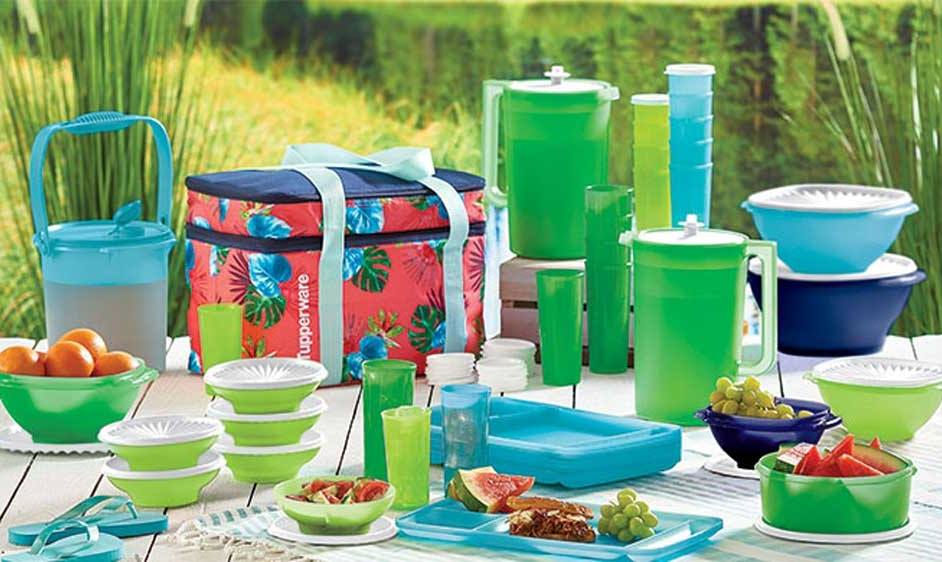
brownie Wise, along with salesman Thomas Damigella, were selling large quantities of Tupperware through private showings, which brought her to Tupper’s attention. Together, from these Tupperware home shows, the idea of the Tupper Party was developed as a new sales concept that has since been able to achieve great success. The concept is simple and straightforward at that and is based on the core idea that by providing hands-on product instruction in front of a manageable group of people, you are reaching multiple customers at once, not just one potential customer. Moreover, sociable explanations in domestic spaces created a completely different framework than in sober displays in a store.
An atmosphere in which you would also like to invite girlfriends, acquaintances and family members, who in turn told their friends about it, so that the customer base naturally became larger and larger. Thus, to this day, the Tupper party is the basis of all Tupperware distribution activities. In 1962, the Tupperware trend from the US also spread to Germany, but in many other countries Tupperware also achieved high brand awareness, and Tupper parties are regularly held around the world.
What exactly is Tupperware?
Tupperware is a line of products that are designed and manufactured primarily to be easily and easily used in everyday life. Functionality and usefulness are of the highest importance along with high quality. However, these are by no means simple plastic cans, but products that have had a lot of time and creativity put into their development and design, so that they are not only functional, but also visually appealing and special. For this reason, Tupperware already collects a wide variety of design prices.
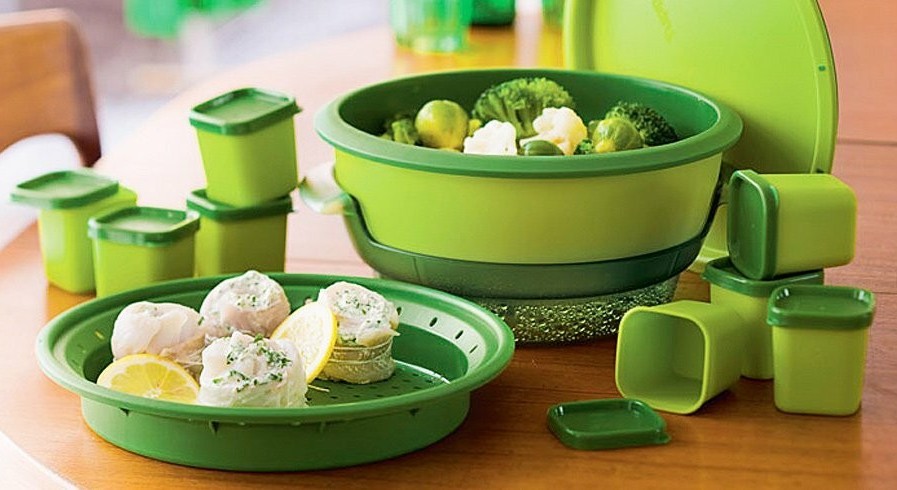
anyone looking for quality, beautiful, and functional kitchen tools will surely take at least one look at Tupperware products because, after all, many of us have known Tupperware since childhood, where they already served our mothers as useful helpers around the house and in organizing kitchen cabinets and the refrigerator, as well as bringing a touch of color and good cheer to the kitchen. Thanks to the good quality of Tupperware, it is even possible that when we moved into our first apartment, we received one piece or another of Tupperware and still use it today even years later.


