
How to choose the right cottage cheese for babies
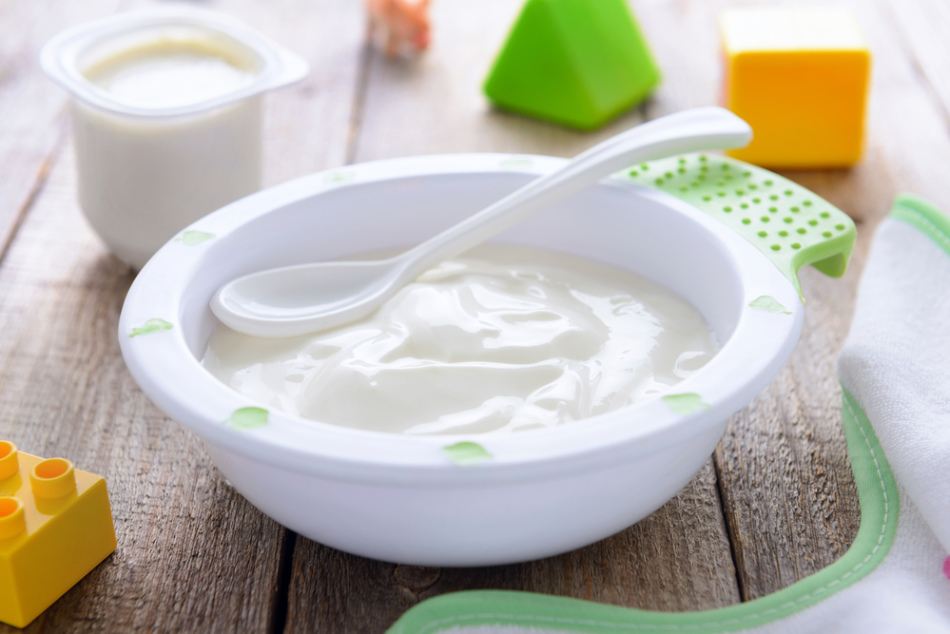
Cottage cheese for babies is quite an important and necessary food. However, it is introduced into the diet only after porridge of vegetable purees. This fermented milk product has a fairly delicate consistency and pleasant taste, making it appealing to even the most demanding little gourmets. We should also not forget that cottage cheese itself is the main source of various vitamins, calcium and sodium, which improves vision, bone and teeth growth, strengthens the immune system, and also regulates metabolic processes.
In more detail, cottage cheese means a certain product that is made by fermenting milk with the addition of special bacteria. Of course, this is a particularly valuable product that can fill babies’ bodies with all the necessary vitamins, folic acid, and more.
On the shelves of modern stores, cottage cheese is presented in several versions, depending on the fat content. Here we distinguish between full-fat, semi-fat and low-fat fermented milk products. As for the first two options, they contain vitamin A in sufficient quantities. In addition, it contains carotene, which in turn is responsible for excellent vision and full tissue development. But when it comes to low-fat foods, they, in turn, should be introduced into the diet of children no earlier than two years of age.
Be that as it may, the main value of cottage cheese can be considered precisely the presence of complete proteins containing the necessary amino acids, which are so necessary for the growing body. Unlike milk protein, the components of fermented milk products are much better absorbed and digested by the body.
Of course, according to experienced pediatricians, there is no need to rush into introducing fermented milk products into complementary foods. And all because in most cases, babies have an allergic reaction to cottage cheese. Therefore, if after the first use any traces appear on the baby’s body, you must immediately discard the cottage cheese.
As for children who do not have allergic reactions to fermented milk products, cottage cheese must be present in their diet. The thing is that it is the most valuable source of protein, calcium, iron and other useful substances. However, it is recommended to introduce it into complementary foods no earlier than 11 months.
When choosing cottage cheese for a baby, it is imperative to pay attention to the manufacturer, expiration date and composition of the product. In addition, it should be intended specifically for small children whose bodies are not yet ready for adult food.


