
How to Create a Stunning Look in 2024 with a Pleated Skirt – Fashion Trends and Stylish Combinations
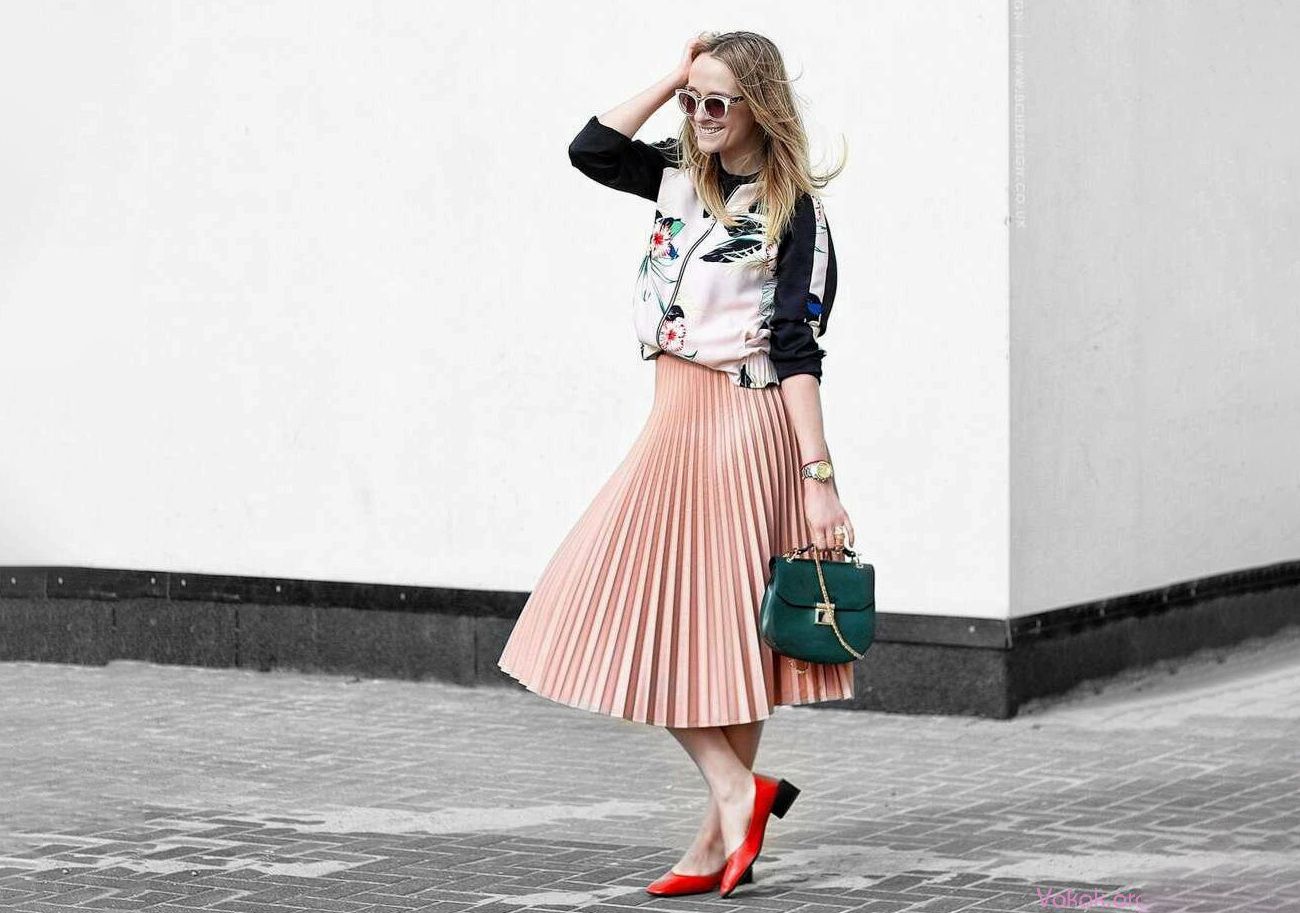
Fashion is the art of self-expression and an opportunity to express your individuality through style and clothing. In search of new trends and inspiration, we always strive to find something special that will highlight our uniqueness and attract attention.
Article Contents:
- The History of Pleating: From Ancient to Modern Times
- The Origins and Evolution of the Pleated Skirt Style
- The Variety of Pleating Types and Options for Skirts
- The Variety of Pleating Styles: Choose Your Unique Look
- Choosing the Material for a Pleated Skirt
- Choosing a Material for a Striking Look with a Pleated Skirt
- Combining Shades and Patterns with a Pleated Skirt
- Choosing Colors and Prints for a Stylish Look with a Pleated Skirt
in 2024, a pleated skirt will be a real revelation for those looking for new ways to create a striking look. This wardrobe staple, combining elegance and playfulness, will help you stand out from the crowd and become the star of any event.
One of the most amazing properties of a pleated skirt is its ability to play with light and shadow. When moved or in the wind, the pleats create amazing effects, as if dancing with the rays of the sun. This adds a special dynamism and vitality to your look, making it unique and memorable.
The History of Pleating: From Ancient to Modern Times
The diversity of styles and fashion trends has always captivated people. However, not all the fashion elements that accompany them have as long a history as pleating. This unique fabric treatment, which adds folds and volume, has been present in fashion for centuries and is still used in modern collections. In this section, we will discuss the origins and evolution of pleating, as well as its influence on modern fashion.
Antiquity
Pleating has ancient roots and first appeared in ancient civilizations. This fabric treatment was widely used in ancient Egypt and Greece, where pleated garments were a symbol of high status and luxury. These folds imparted elegance and sophistication to clothing, attracting the attention of onlookers.
Middle Ages and Renaissance
During the Middle Ages, pleating continued to be popular, especially among the nobility. During the Renaissance, this fabric treatment technique was used to create luxurious dresses that accentuated the female figure and added sophistication. At that time, pleated details also became a symbol of high social status.
20th Century: Art Nouveau and Avant-Garde
In the 20th century, pleating found new interpretations within the Art Nouveau and Avant-Garde movements. Renowned designers such as Paul Poiret and Mary Quant experimented with various shapes and sizes of pleats, creating unique and unusual designs. Pleating became a symbol of boldness and innovation in the fashion world.
Modernity
In contemporary fashion, pleating remains relevant and in demand. It is used in the creation of a variety of wardrobe items, including skirts, dresses, blouses, and even accessories. Thanks to its versatility and ability to create volume, pleats allow every woman to express her individuality and create a stylish look that will not go unnoticed.
Thus, the history of pleats testifies to its longevity and strong connection with fashion throughout the centuries. From ancient times to the present day, pleats continue to inspire designers and capture the hearts of fashionistas worldwide.
The Origins and Evolution of the Pleated Skirt Style

Historical Roots
The pleated skirt has its roots in ancient times. Even in antiquity, women used pleats and folds in clothing to add volume and elegance. In the Middle Ages, pleats became an integral part of fashion, particularly during the reign of Queen Elizabeth I. The Victorian era also contributed to the development of pleated skirts, making them a popular and luxurious element of women’s attire.
Evolution of Style
Over time, the pleated skirt has evolved and developed into a variety of designs and styles. In the 1920s, it became an essential attribute of Art Deco fashion, emphasizing the freedom and boldness of women. In the 1950s, the pleated skirt became a symbol of femininity and romance, gaining popularity thanks to the fashion for youth and innocence. Today, pleats are combined with a variety of materials and designs, creating unique and stylish looks for modern women.
Thus, the pleated skirt has a rich history and continues to evolve, remaining a popular element of women’s fashion. Its versatility allows for a variety of looks, highlighting the individuality and style of every woman.
The Variety of Pleating Types and Options for Skirts
In the fashion world, there are many types and variations of pleating that can add sophistication and elegance to a skirt. Each type of pleating has its own unique style and effect, allowing for a variety of looks that highlight the individuality and style of every woman.
- Ruffles: This type of pleating creates dramatic wavy folds that add volume and playfulness to the skirt. Ruffles can be made in various widths and lengths, allowing you to find the perfect option for any look.
- Traditional Pleating: A classic pleating option that creates even and neat folds throughout the skirt. This style is ideal for creating elegant and formal looks.
- Sunburst Pleating: A sunburst pleated skirt features large, deep folds reminiscent of sunbeams. This pleating style adds a light, feminine touch, perfect for summer looks.
- Pencil Pleating: This pleating style creates narrow, deep folds, giving the skirt a sophisticated and understated look. A pencil pleated skirt is ideal for business and formal looks.
- Decorative Pleating: A pleating style used to create unique decorative elements on a skirt. This pleating style allows you to add originality and experiment with skirt design.
The choice of pleating style and type depends on each woman’s individual preferences and style. A pleated skirt can be a striking accent, emphasizing femininity and elegance, adding sophistication and style to any wardrobe. Choose your ideal pleating style and create unique looks that highlight your individuality and style! A Variety of Pleating Styles: Find Your Unique Look
Variety of Pleating Styles: Choose Your Unique Look
In this section, we’ll explore various pleating styles that will help you create a unique look with your skirt. Forget standard and monotonous styles; there are so many options that will help you stand out from the crowd and highlight your individuality.
Horizontal Pleating: Elegance and Strictness
One of the most popular pleating styles is horizontal. It creates the effect of even folds that give the skirt elegance and sophistication. This style is perfect for a business look or an evening out where you want to look stylish and sophisticated.
Vertical pleating: lightness and movement
If you prefer a looser and more dynamic look, vertical pleating is an excellent choice. It creates vertical folds that add lightness and movement to the skirt. This style is perfect for everyday looks or for creating a romantic atmosphere.
Besides horizontal and vertical pleating, there are many other options that can be used to create a unique look. For example, sun pleating, which creates a sunray effect and gives the skirt a playful and feminine touch, or asymmetrical pleating, which adds unexpectedness and dynamism to your look.
Choose a pleating style that reflects your personality and suits your lifestyle. Remember that fashion is an opportunity to express yourself and create a unique look, so don’t be afraid to experiment and be bold!
Features of Choosing Material for a Pleated Skirt
When choosing material for a pleated skirt, it’s important to consider a number of important factors that determine not only the appearance of the garment, but also its comfort and durability.
SKIRTS TRENDS 2024: Which Skirts Are in Fashion? Current Styles with Real-Life Examples!
Consider Texture and Texture
One of the key aspects when choosing a material for a pleated skirt is its texture and texture. Different types of fabric can create different effects and visual impacts, so it’s important to consider your desired style. For example, a matte material can give a skirt an elegant and classic look, while a shiny fabric will add sophistication and glamour.
Pay Attention to Material Composition
The composition of the material also plays an important role when choosing a pleated skirt. Natural fabrics such as cotton, silk, or linen offer good breathability and a pleasant tactile feel. Synthetic materials, such as polyester or nylon, provide good shape and elasticity, allowing the skirt to better hold its pleats and maintain its shape even after washing.
Choosing a Material for a Dramatic Look with a Pleated Skirt
One important factor when choosing a material is its texture. Pleating on different materials can create different effects, from delicate and airy to denser and more voluminous. The texture of the material can emphasize the lightness and grace of the pleats or give them a more subdued and formal look.
- Choose natural materials, such as silk or cotton, for a romantic and feminine look. They have a pleasant texture and allow the skin to breathe, which is especially important in the warmer months.
- For a more modern and stylish look, choose materials with a shiny finish, such as lamé or metallic silk. They will add a striking and fashionable accent to the skirt, drawing attention to your outfit.
- For a more formal and professional look with a pleated skirt, choose a material with a matte finish, such as wool or thick cotton. These materials give the skirt a more understated and elegant look.
Also, remember to consider the time of year and the weather. In the summer, lightweight and cool materials are suitable, while in the colder months, you can choose warm and thick options.
Ultimately, the choice of fabric for a pleated skirt depends on your style, preferences, and the season. Experiment with different textures and finishes to create a unique and striking look with a pleated skirt.
Color and Pattern Combinations with a Pleated Skirt
In this section, we’ll explore various color and print combinations with a pleated skirt to create a stylish and striking look. The unique pleated design allows you to highlight your individuality and express your taste through your choice of colors and patterns.
Combination of Contrasting Shades
One way to create a striking look with a pleated skirt is to combine contrasting shades. For example, you can choose a bright skirt in one color and pair it with a blouse or top in the opposite shade. This contrasting look will attract attention and create a bright accent.
Combination of Patterns and Textures

For a more interesting and original look, you can experiment with combining different patterns and textures. For example, a pleated skirt with a geometric print can be paired with a striped or plaid top. This combination will create a play of textures and add dynamism to the look.
Using a variety of color and print combinations, you can create a striking look with a pleated skirt that will highlight your individuality and style.
Choosing Color and Print for a Stylish Look with a Pleated Skirt
In this section, we’ll cover the important aspects of choosing color and print for creating a stylish look with a pleated skirt. The visual impression you create with your outfit depends on your choice of color and print. The right color and print will help you stand out from the crowd and give your look a unique and individual feel.
Color Scheme: Shades and Combinations

When choosing a color for a pleated skirt, it’s important to consider not only your personality but also current fashion trends. In 2024, neutral shades such as beige, gray, and khaki will be popular. They pair beautifully with other bright colors and create an elegant and stylish look. However, don’t limit yourself to neutrals—experiment and choose colors that highlight your personality and mood.
Prints: geometry, flowers, animals, and other motifs

A print on a pleated skirt can add interest and originality to your look. Geometric prints are perfect for creating a modern and formal look, while floral motifs add tenderness and romance. Animal prints will also be popular, adding a playful and exotic touch to your look. It’s important to remember that the print should complement the rest of your outfit, so consider the color scheme and style of the rest of your wardrobe.
- Choose a color and print that suits your personality and mood.
- Consider fashion trends when choosing a color scheme.
- Experiment with different prints to add originality to your look.
- Pair color and print harmoniously with the rest of your outfit.


