
LED screens for indoors: features of choice and advantages of use

The world of technology does not stand still, and LED screens have long replaced film projectors and televisions. These screens not only increase the brightness and contrast of the image, but also provide wide possibilities for use in various fields.
Contents of the article:
- Introduction to LED Screens
- Where are LED screens used?
- Which LED screen to choose for indoors?
- Dimensions and resolution of indoor LED screens
- Materials for LED screen housing
- Installation of LED screens indoors
- Benefits of using LED screens indoors
- How to choose a supplier of LED screens for your premises?
today, LED screens are actively used in commercial buildings, advertising agencies, nightclubs, theaters, museums, public institutions and, of course, in home theaters. Of course, the quality and size of screens vary greatly and are designed for different needs.
Let us remind you that LED screens are an image consisting of thousands of LEDs placed on a metal body, and a device that controls the image. The choice of screen depends on its size, resolution, viewing angle, fixation, brightness and moisture resistance. In addition, ease of use, the availability of functions for audio and video processing, as well as warranties and after-sales service are no less important.
We recommend paying attention to such points when choosing an LED screen. They can make sure you get the best image quality that suits your needs.
Introduction to LED Screens
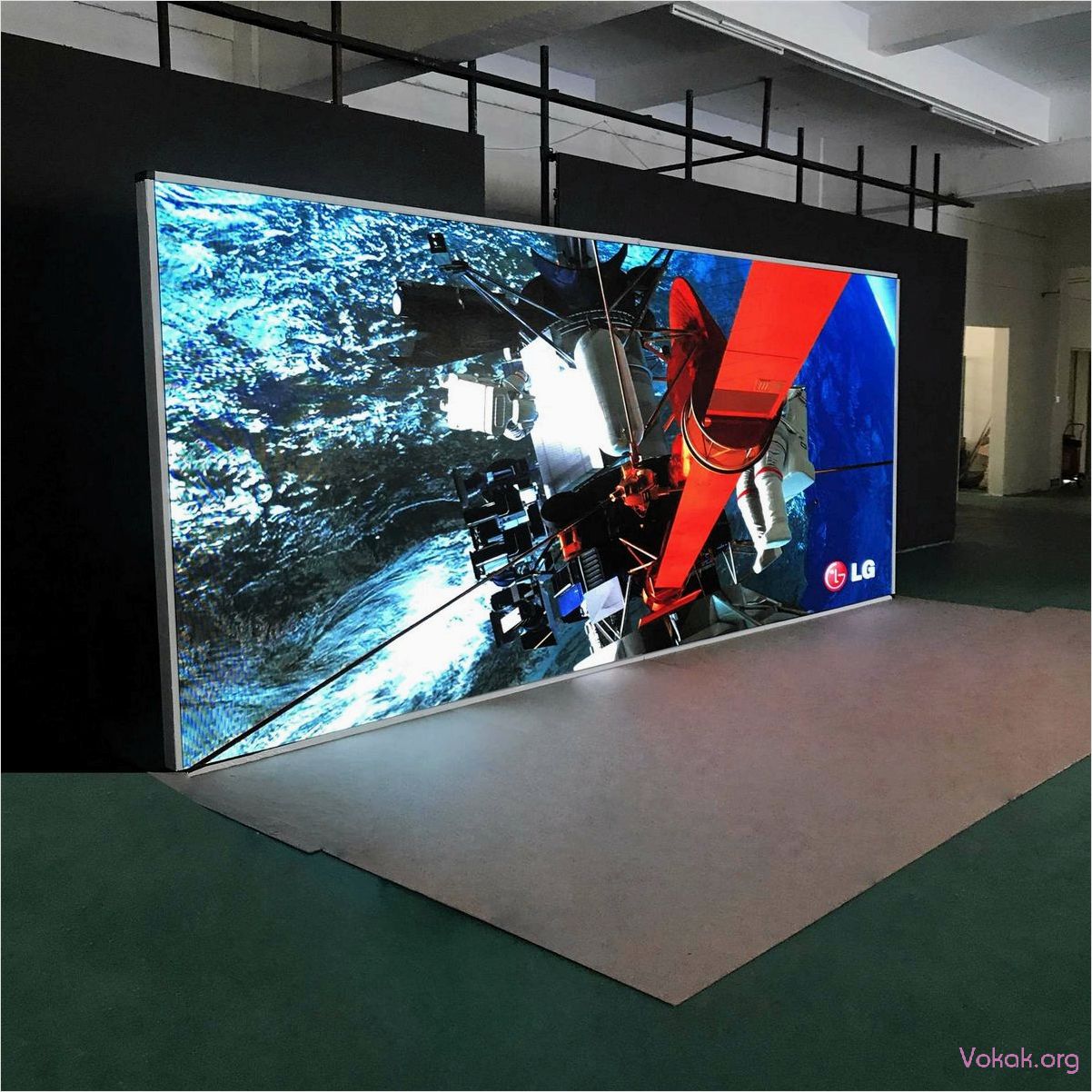
What are LED screens?
LED screens are devices based on LEDs that allow you to display information in the form of images or text information.
LED screens use multiple color LEDs to create a bright, high-resolution image. They can be used to display promotional materials, product information, scientific research and more.
LED screens are often used inside buildings such as gyms, airports, shopping malls, movie theaters and museums and can be placed on walls, ceilings, counters and other devices.
Currently, LED screens are one of the most advanced and technologically advanced devices that allow you to display information in real time and in high quality.
Where are LED screens used?
LED screens are widely used in various fields of activity due to their high brightness, clarity and ability to display almost any information.
One of the most common examples of using LED screens is in shopping centers, shops and supermarkets. Screens can be used to display advertisements, product information, discounts and promotions.
In the entertainment industry, LED screens are used in stadiums and arenas to display advertising, team and player information, and in movie theaters and concerts to display information about movies and concert programming.
Another area of application of LED screens is the field of digital signage, that is, digital information boards. These can be information stands at train stations and bus stations, airports and hotels, as well as displays on the street that display information about transport schedules or current weather.
In addition, LED screens can be used in educational institutions, for example, to display class schedules and presentations, as well as in offices and business centers to display information about current projects and events.
- Security and Control: LED screens are now used in courts, military schools and federal agencies to provide security and control. LED screens can display video, photos, graphics and audio, giving maximum clarity and understanding of events.
- Medical: LED screens in various sizes and shapes are now used in medical applications to display information about completed procedures, patient notifications, and illness notifications.
Which LED screen to choose for indoors?
Size
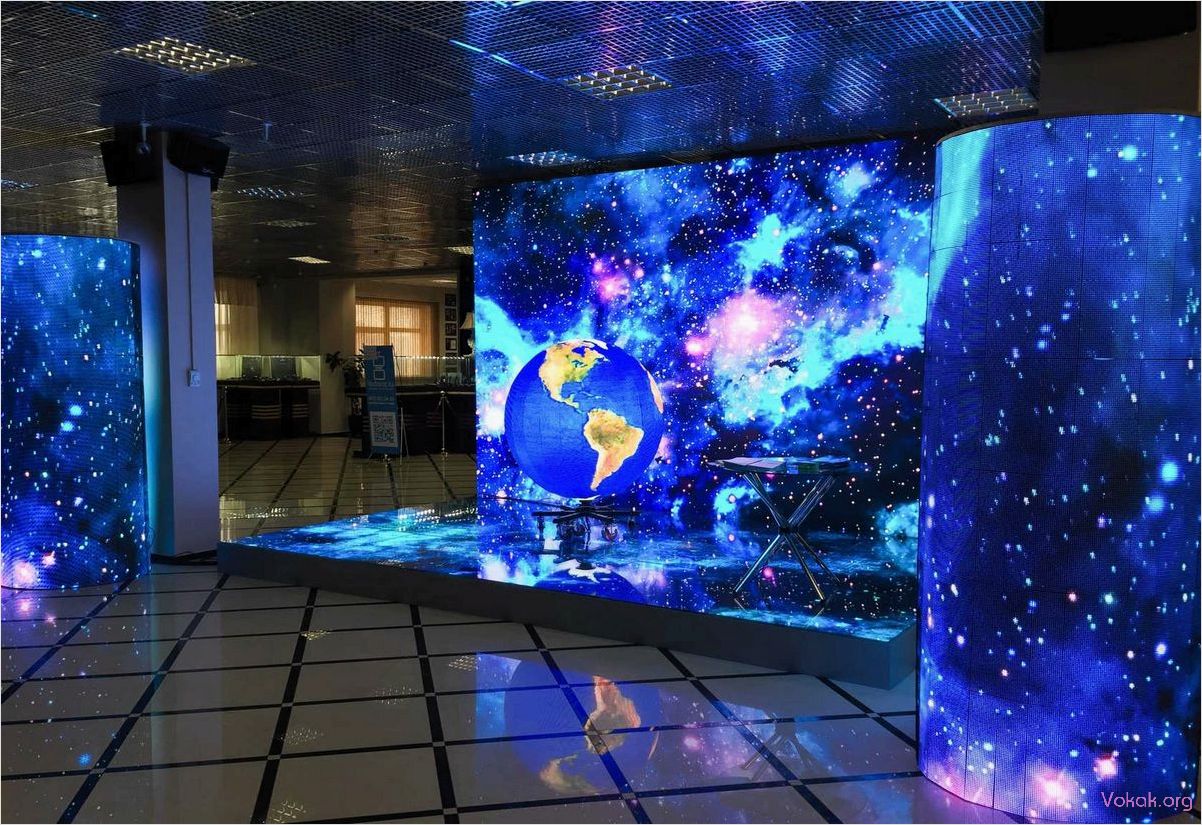
When choosing an LED screen for a room, it is important to consider its size. Small screens may be ideal for cafes or shops, while larger screens will be more suitable for meeting rooms and concert venues.
Brightness
For rooms with bright lighting, it is necessary to choose LED screens with high brightness. Otherwise, the picture may seem faded and not meet your expectations.
Resolution
The picture quality of LED screens depends on the resolution. High screen resolution will provide a clearer and more detailed image, which will be especially important for presentations and videos. However, such a screen will cost more.
Viewing angle
If the screen will be installed in a room where it will be viewed from different angles, the viewing angle may become a critical factor in screen selection. It is best to choose screens with a wide viewing angle to ensure that the picture will not be distorted due to visual distortion.
Strength
The room in which the LED screen will be installed may include high humidity, dust and other factors that can affect the life of the screen. When choosing an LED screen for your premises, make sure that it is durable and will not allow moisture and dust to pass through, which will ensure its durability and longevity.
Dimensions and resolution of indoor LED screens
Indoor LED screens can come in different sizes and resolutions depending on the client’s needs. Typically, screen sizes start from 1 square meter and can reach several tens of square meters.
Screen resolutions also vary. This is an important parameter that determines the brightness and clarity of the image. The resolution can be either standard, for example, 1920×1080 pixels, or higher than standard, for example, 4K.
It is important to remember that the larger the screen size, the higher the resolution must be to maintain image quality. It is also necessary to take into account the distance between the screen and the viewer so that the image is not blurry and does not cause discomfort.
When choosing an LED screen for a room, you need to take into account all the parameters in order to get the highest quality and most effective image.
Materials for LED screen housing
LED screen housings are made from various materials, depending on their design and planned operating conditions. Basically, metals, plastics and glass are used for the production of cases.
Metal cases
Metal housings are used for outdoor LED screens that are installed in open spaces. These cases are highly durable and protected from moisture and dust, which ensures the durability and reliability of the screen in extreme conditions.
Plastic cases
Plastic housings are most often used for indoor LED screens that are installed indoors. These cases are lighter and more flexible, making the screen easier to install and transport. Plastic housings also have good electrical insulation and low cost compared to metal housings.
Glass cases
Glass enclosures are used for screens that are installed in tall buildings and apartment buildings. They are characterized by a simple and aesthetic design and are additionally protected from weather conditions. However, glass cases are more fragile than metal and plastic cases, so they require more careful handling.
Installation of LED screens indoors
Choosing an installation location
Before installing LED screens, you need to choose the optimal location for their placement. It is important to consider factors such as room lighting, viewing angle, distance from viewers and the presence of other light sources.
Preparatory work
Before installing LED screens, you need to prepare the wall or other surface on which they will be installed. Make sure the surface is level, clean and free of excess moisture. Also consider the maximum load that your wall can withstand.
Installation
When starting to install LED screens, you must follow the supplier’s instructions and not violate safety rules. Don’t forget to fix the screens on special brackets, adjust the viewing angle and the presence of light behind them for better display.
Settings
After installation, LED screens need to be adjusted to get the best picture quality. By adjusting brightness, contrast, color and resolution, you can achieve the perfect picture and improve the viewing experience.
Testing

After installing and configuring LED screens, it is necessary to conduct testing to verify their functionality. It is necessary to check the playback of video and sound, as well as possible switching between signal sources.
- When installing, it is important to keep a balance between the quality of the screens and the cost of installation, since they can differ significantly from each other.
- Don’t forget to set up the correct configuration file to reduce energy consumption and ensure security.
Benefits of using LED screens indoors
High image quality
LED screens provide high quality images due to the small pixels that form the image.
Brightness and Contrast
LED screens have high brightness and contrast, allowing you to display images and videos even in brightly lit rooms.
Wide viewing angle
LED screens have a wide viewing angle, which allows you to view content from anywhere in the room without losing image quality.
Long service life
LED screens have a long service life and do not require constant maintenance, which reduces operating costs.
Economical
LED screens are economical to use, consuming less energy compared to other types of screens.
Multifunctionality
LED screens can be used for a variety of purposes, displaying both static content and video. They can also be integrated with other systems such as sound systems and access control systems.
How to choose a supplier of LED screens for your premises?
Determine your needs

Before you choose an LED screen supplier, you need to determine what needs you want to meet. It is important to consider factors such as room size, brightness and image quality, and type of installation.
Explore the supplier market
In order to choose the best LED screen supplier for your premises, it is necessary to conduct a market analysis. Read customer reviews, review specifications, and compare prices.
Pay attention to the company’s experience
In order to avoid mistakes when choosing a supplier, pay attention to the company’s experience. Check the portfolio of projects, study the history of the company, find out how long it has been on the market.
Don’t forget about quality certificates
When choosing a supplier of LED screens, be sure to check whether the company has the appropriate quality certificates. To ensure the safety and durability of your screen, choose companies that have certifications.
Discuss all the details
Before concluding an agreement with a supplier, be sure to discuss all the details. Check the warranty conditions, delivery times, installation and configuration of equipment. It is important that all terms and conditions are clearly defined and established in the contract.


