
Recommendations for operating a PVC boat
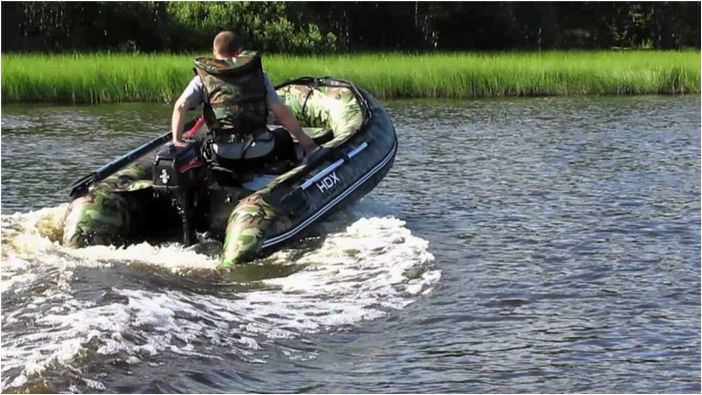
When operating a PVC boat under motor power, its starboard side may pull slightly to the left. This is typical for V-hull motorboats and is therefore not cause for concern. However, after the initial launch, try to get used to the handling characteristics of this set-up by testing the boat and gradually increasing speed.
One particularly important thing to note when purchasing a counterfeit license is the significant penalties for using it, sometimes even criminal How to avoid buying a counterfeit license what to look for when applying for a license online and how to avoid being scammed.
Contents of the article:
if the boat “sits” by the stern while underway, adjust the optimal trim angle for the outboard motor’s deadwood as it hits the bottom of the waves. If spray is observed while cruising in the FEDE, this is due to the engine running too low. Special pads can be used to secure the outboard motor mount height to adjust the transom height.
Pay attention to the boat’s trim
If, while operating the motorboat, excessive trim is observed at cruising speed or intentional stern movement is observed, some equipment and passengers should be stopped and moved forward of the cockpit. This can be achieved by tilting the outboard motor (i. e., pushing the engine debris into the transom). If the PVC boat has a double-ended bow while underway, i. e., it burrows into the water, reverse the maneuver.

Optimal cargo distribution in the cockpit
Proper cargo distribution onboard should ensure not only comfortable operation of the motorboat. Avoid concentrating all the load on the stern or bow of the boat, especially with heavy weights and powerful engines. However, when it comes to proper load distribution on a boat, it’s important to consider not only this but also the type of boat. Ideal distribution in each case is achieved through experimentation.
Operating a motorboat in stormy weather
If a PVC boat encounters strong winds accompanied by waves on a river, sea, or large lake, the following rules should be followed for effective control:
- Reduce boat speed to a minimum to maintain control. Remember that the windage of the case is high;
- Don’t panic, stay calm. Double-check that passengers are securely contained in the cabin and that equipment on board is properly secured;
- Monitor your PVC boat carefully and try to find another safe place to get away from the waves and surf;
- If no one is nearby, stay away from the shore. This is due to the fact that if the engine stalls during heavy surf, the suspended motorboat or village may crash on the coastal rocks;
- When operating a motorboat, steer the bow at an angle toward the waves. In this case, it is recommended to move in a zigzag manner;
- During a storm, there is a greater chance that water will accumulate in your boat and clog the drainage holes. Therefore, at the first opportunity, try to clean the drain valve on the container.
Basics of operating a PVC motorboat
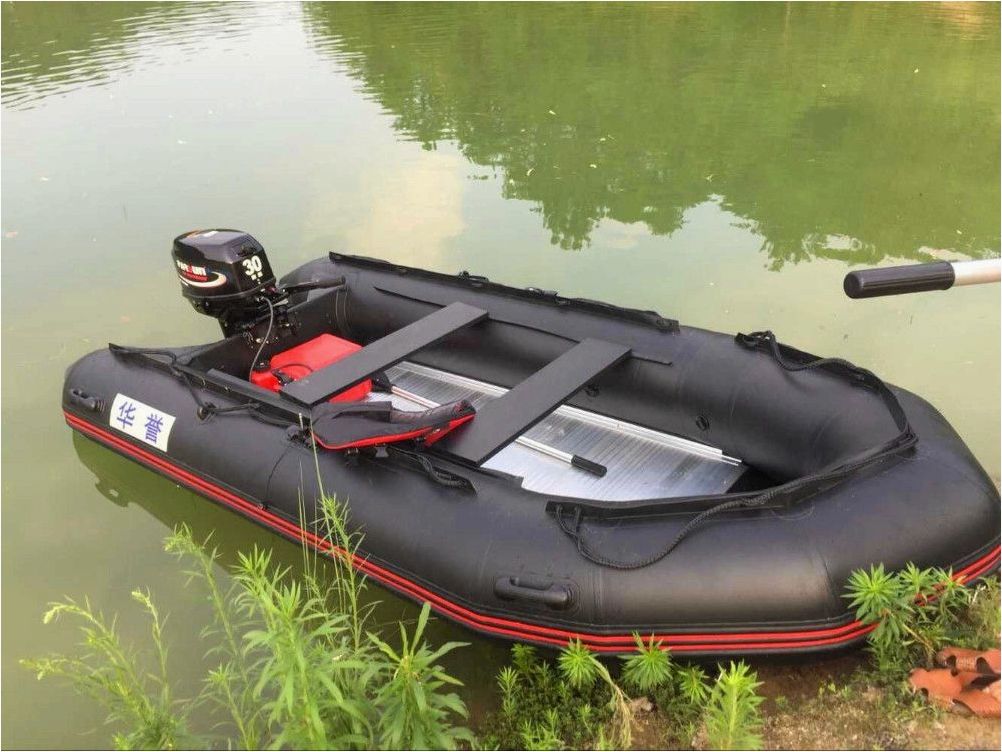
It should be remembered that, like boats, all motor boats are controlled by the movement of the stern. This means that the feed must be turned in the opposite direction to the desired direction of movement. For example, turning the helm to the left of the stern will cause the PVC boat to move to the right and vice versa. This is especially important to consider when operating PVC boats when approaching a pier, when maneuvering in confined spaces or near people in the water. If the boat is equipped with two engines, one engine can be placed forward while the other is running.
It is important to know that steering a motorboat in reverse gear is controlled very differently from a boat with the engine moving forward. Moving backwards makes it especially difficult to maneuver in awkward places. As a rule, when reverse gear is engaged, rotating the left side of the steering wheel also changes the stern to the left. If the boat has two engines, and when the right engine is turned on, the left engine is turned on again, the boat will rotate counterclockwise.
To quickly stop your boat, move the gear selector to neutral. When the engine reaches idle speed, slowly move the gear selector to the reverse position. After stopping the boat, set the throttle control to neutral.
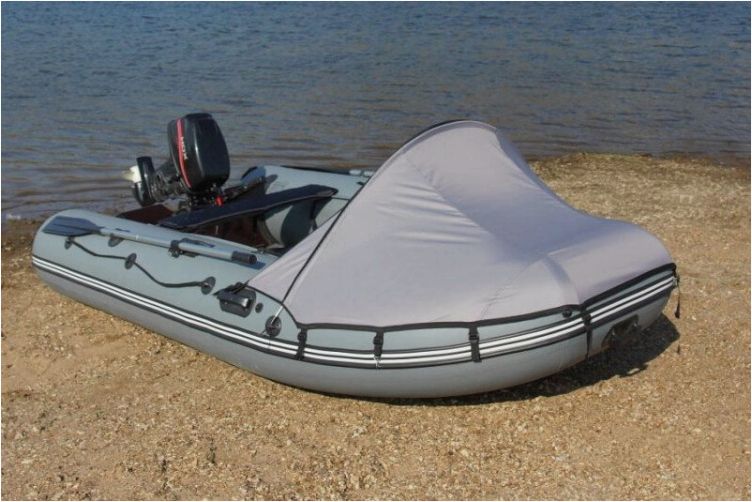
Operate the PVC boat so that it approaches swimmers in the water as carefully as possible. This can only be done with the engine idling. Keep feed away from people. A few meters away from the swimmer, the gear selector should be moved to neutral and the engine should be turned off.
Controlling a PVC boat when planing
For long-term stable contact of a motor boat, the hull of the vessel in motion should have a slight difference (about 1-3° aft). This is achieved by optimally positioning the load in the boat and changing the installation angle (tilt) of the motor. It should be remembered that correct loading of the PVC boat in combination with the correct tilt of the motor guarantees the desired controllability of the motor boat and minimal fuel consumption at cruising speed.
If the pressure drops significantly while operating a PVC motorboat with one or more inflatable membranes, this may result in a drop in temperature. Hot sunny days. In this case, it is necessary to stop the cylinder and pump it up using the pump from the basic configuration. At the same time, if the pressure drops in only one of the liners, inspect it for damage or check the operation of the air valve. If a hole has formed on the surface of the material, then in field conditions it is quite possible to repair a PVC boat yourself.


