
Disinsection. Its Types and Methods
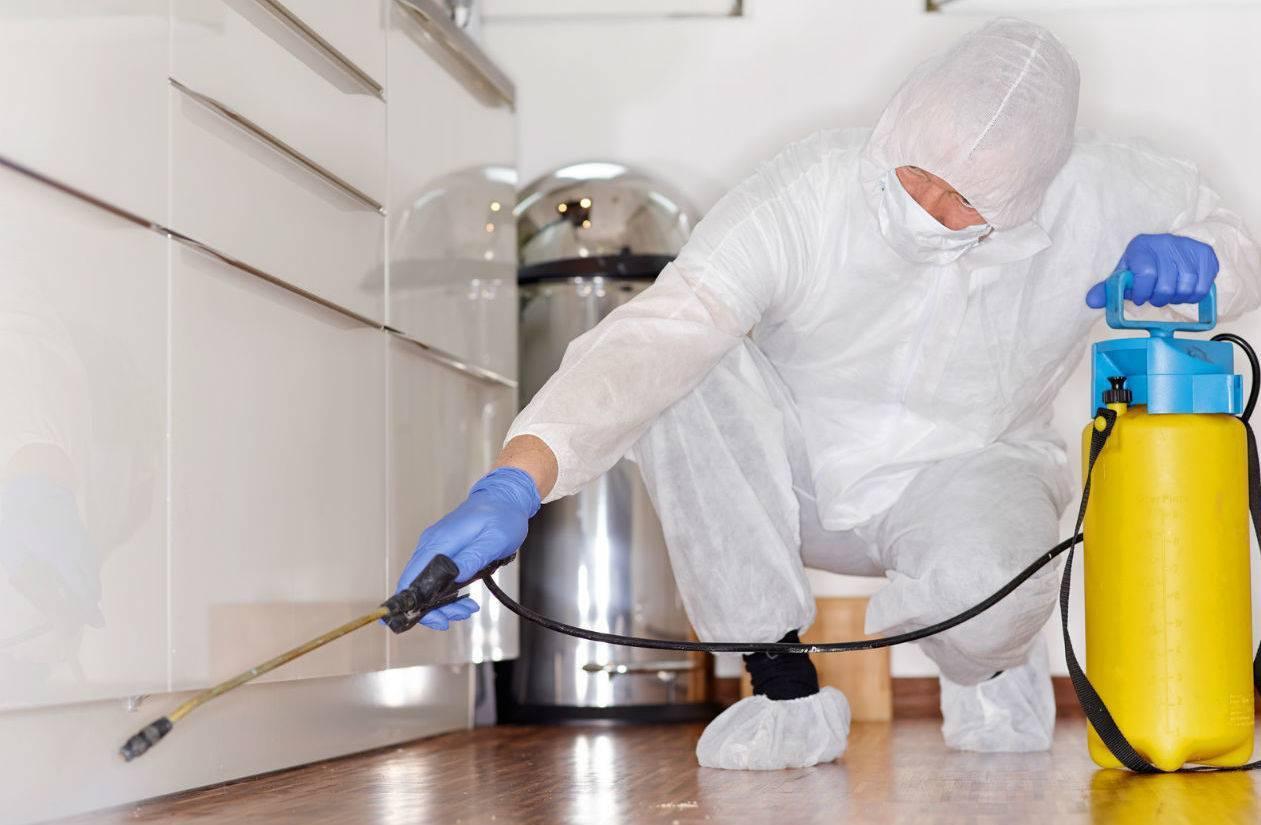
disinsection is a set of measures aimed at eliminating insects by chemical means, using hot and cold steam and fog fumigators, as well as other means, such as ultrasonic repellents, traps, and more.
Disinsection is used to rid cafes and restaurants, shops, businesses, residential premises, and open spaces of unwanted neighbors such as ants, Colorado potato beetles, hornets, flies, mosquitoes, cockroaches, bedbugs, ants, wasps, and other insects.
Types of Disinsection
Preventive Disinsection
Preventive measures Moscow Disinsection are performed for medical institutions, factories, schools, hotels, catering establishments, tourist centers, and sanatoriums, with the goal of creating unfavorable conditions for insect reproduction. Preventive pest control involves periodic thorough cleaning of the premises, cleaning of adjacent areas, cleaning sewer pipes, sealing the premises (eliminating cracks and crevices), installing ventilation screens, and washing bed linens. Special plastic boxes containing adhesive bait, known as “pest control,” are installed. If insects appear on the premises, one or two will inevitably fall into the “pest control,” at which point preventative measures become extermination.
Extermination Disinfection
Extermination disinfestation is carried out on premises with large insect populations and involves the complete extermination of the pests, in other words, all insect colonies and their nests. Various pest control methods are used depending on the severity of the infestation (chemical, mechanical, physical, fumigation, intestinal insecticides, and biological). In turn, extermination has two subtypes: focal extermination, which destroys the nests, arthropods, and their breeding grounds, and final extermination, which eliminates particularly resistant, surviving colony members and hatched offspring, and installs a “barrier” to prevent recolonization of the area by any given insect species.
Types of extermination and their brief descriptions
Veterinary – focuses on the exclusion of insects in veterinary clinics, animal shelters and similar premises, since all animals unwittingly become objects for the habitat and spread of arthropods. Therefore, such enterprises constantly carry out thorough disinsection measures.
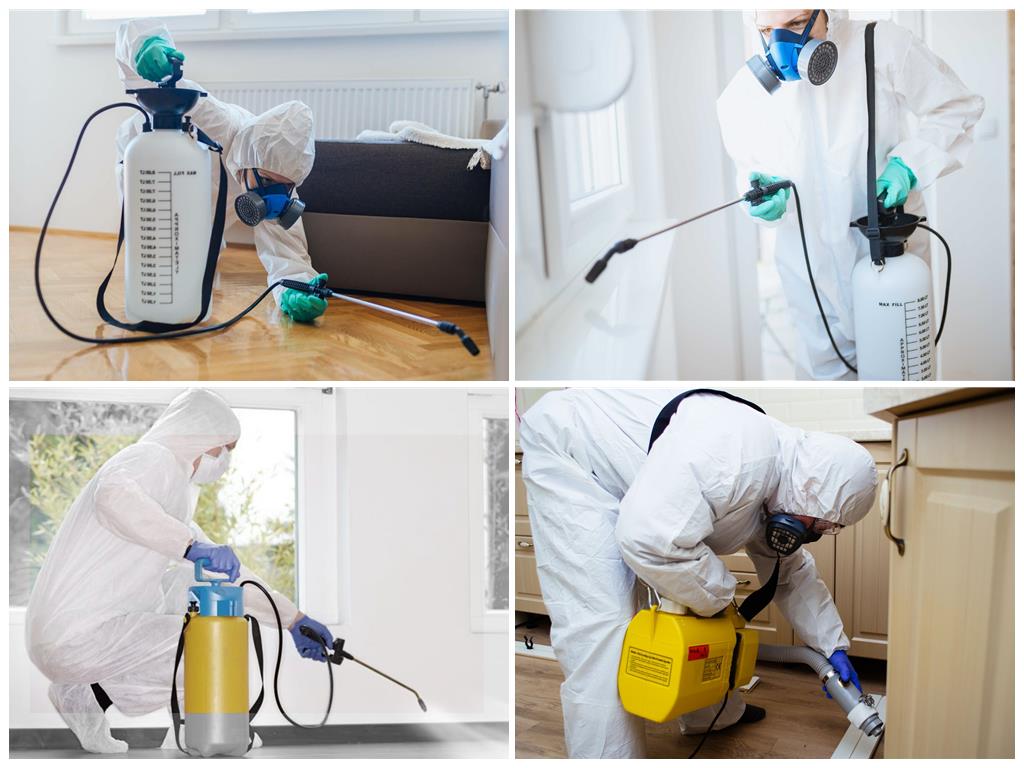
medical – aimed at achieving absolute sanitation in the room and on its territory. For absolute control of the reproduction of lice, bedbugs, ticks, fleas, flies, cockroaches and others in such premises as medical institutions, food production, schools, kindergartens. In order to avoid the appearance of arthropods, facilities must meet all technical and sanitary standards, and in order to prevent the appearance of insects at the facilities, laundry, cleaning of premises, quartzing, and chlorination are carried out. If it is not possible to prevent the appearance of insects, then exterminatory measures are used.
- Agricultural – aimed at exterminating insects on agricultural land, as they cause great damage to grains, legumes, industrial and other crops. Disinsection is carried out using chemicals, by spraying, and irrigating plants. For livestock, special equipped pools are used, where they are dipped in a special chemical solution.
- Disinsection methods and their description
- Mechanical method – involves the use of mosquito nets, Velcro, adhesive tapes, which are installed in places where insects move. In addition, periodic cleaning of the premises is carried out. The least effective method is considered in relation to others.
Physical method – aimed at destroying insects by any physical influence. For example, temperature – treating nests, furniture with hot water steam, or freezing the room. When lice occur, boiling laundry is practiced.
- Biological method – mainly used to kill mosquitoes and flies by placing toxins and microorganisms in warehouses, basements, and small ponds. Insect predators are also used for a certain type of arthropod.
- Chemical method – is based on the use of chemical insect repellents, in most cases in the form of liquids, sometimes in bulk form, also in the form of gas and aerosols. The products differ in chemical composition depending on the type of arthropod and the method of exposure. Usually they use diluted products with water using the artificial fog method, an irrigation method that is formed when disinfectants are sprayed through special equipment.
- The ultrasonic method has its place, but is considered ineffective due to the lack of direct effect on insects. The essence of the method is the effect on insects of an electric field emanating from the device.
- Traditional methods of disinsection – insect control
- People use the following methods of insect control, proven by generations. The easiest way to get rid of bedbugs, ticks, fleas, for example, in carpeting:
Mix baking soda and salt, apply the resulting mixture dry on carpets overnight, and vacuum in the morning. It is recommended to carry out this treatment as often as possible if there are animals in the house.
This method will help you remove bedbugs from furniture:
To prepare the poison, take one liter of water, squeeze the juice of one lemon into it, pour it into a bottle with a spray bottle, spread it onto pillows, blankets, and sleeping places.
To make the solution more effective, you can boil finely chopped lemon in a liter of water and then use it according to the scheme.
- Some insects cannot tolerate certain odors; to repel pests, you need to use the following solution: take a bucket with 5-6 liters of water, add 8-10 drops of rosemary, lavender or eucalyptus essential oil. Rinse the floors with this solution and change the water. Also add essential oils to it and wipe all surfaces in the room.
- Another solution in the fight against ticks, fleas, bedbugs:
Prepare a decoction from the herbs eucalyptus, mint, lavender or rosemary, let it brew for half an hour. Treat all pieces of furniture and sleeping areas with the resulting decoction.
Pest control. Its types and methods of implementation
disinfestation methods


