
Mobile Personal Computers
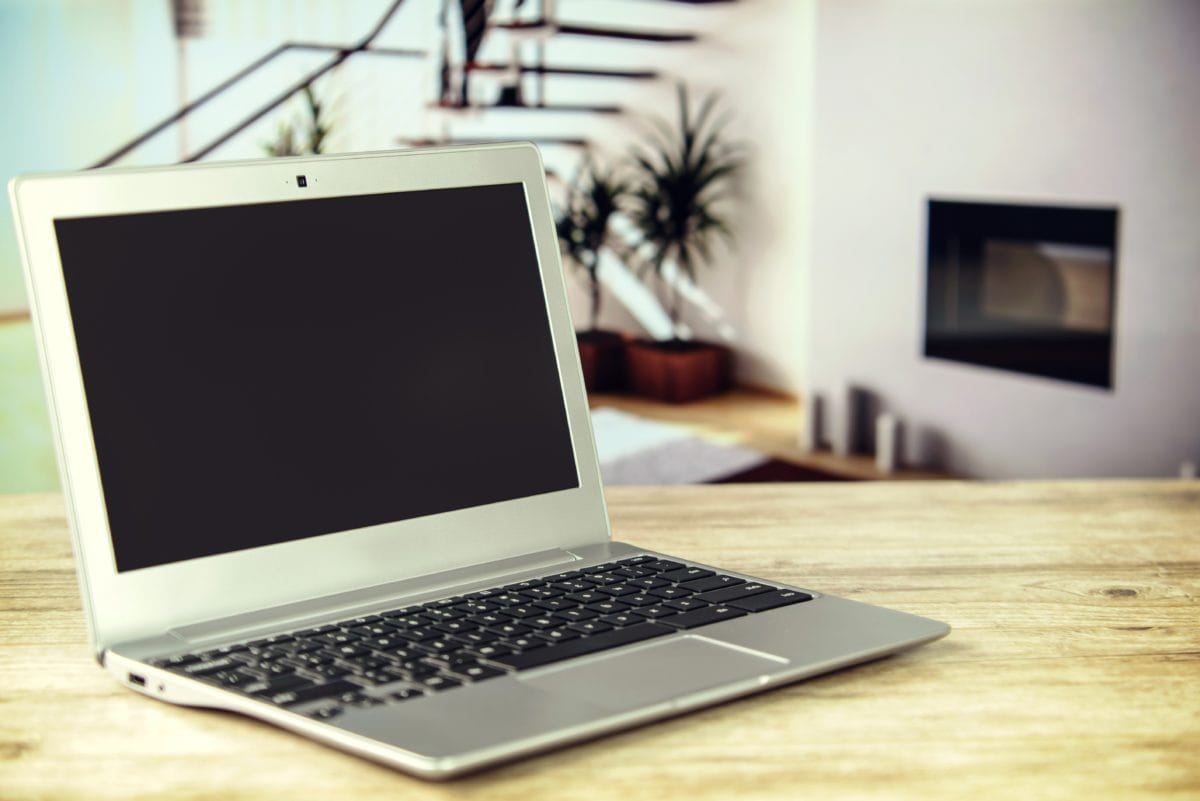
laptops are mobile computers. They have become a relatively recent addition to everyday life. These mobile computers make it possible to get work done and travel vast distances. A laptop is especially useful in places without power. Today, its battery life allows it to operate for up to 8 hours without recharging.
What is a laptop?
Not everyone understands the origin of the word “laptop.” “Notebook” in English means a notepad or a notebook. Laptops include laptops, netbooks, and smartbooks a laptop is a portable mobile device that contains the same components as a PC, but is much smaller. It has a hard drive where the user stores their data, a screen, a processor, a video card, a monitor or RAM, a rechargeable battery, a keyboard, and a touchpad instead of a mouse.
Mobile devices vary in weight, size, and appearance. A single battery charge allows the device to be used for 5 to 8 hours.
The first laptop was invented and developed in 1982 by NASA. The engineer’s name was William Moggridge.
These mobile devices perform the same tasks and functions as a PC. In terms of price, such devices are much more expensive than a personal computer. If a personal computer and a laptop are the same price, the laptop will inevitably lose significantly in performance. A laptop can also be used as a multimedia entertainment station when connected to a home TV.
Laptop Classification and Types

laptops are classified by price, purpose, and screen size.
Business Laptops
These devices are almost identical to mid-range laptops. The case is made of metal and other expensive materials. They feature integrated and discrete graphics cards, a stylish design, and sometimes a Quadro NVS graphics adapter is used for working with engineering programs such as CAD. They come pre-installed with the Windows operating system.
Ultraportables (Ultrabooks)
These devices are popular on the go. They also feature low-power microprocessors. Displays range from 9 to 12 inches. They do not require discrete graphics cards. However, they are significantly more expensive than standard notebooks with standard performance.
Netbooks
These laptops are designed for email, web browsing, and Microsoft Office. Their processors are a class above those found in other laptop classes. They are also affordable, making them budget-friendly. Among the positive aspects is the presence of Wi-Fi. A drawback is the lack of an optical drive.
Multimedia
The screen size of these miniature computers ranges from 15 to 19 inches. Often, a screen is built into the back of the lid, allowing you to view videos and movies without opening the computer. Variants in this category are sometimes equipped with a TV tuner. The graphics card and processor are used from mid-range laptops. These setups are recommended for playing games that don’t require cutting-edge settings.
Subnotebooks
A small 11- or 13-inch monitor distinguishes these mobile devices from other devices. Since they cannot accommodate powerful yet efficient cooling, they use low-power microprocessors without discrete graphics cards. This means they don’t boast exceptional performance. These devices are suitable for office work.
Gaming Laptops
Naturally, these portable devices are equipped with not one, but two powerful graphics cards connected via an SLI bridge. Crossfire mode is available. They have an aggressive, yet beautiful, design. They are equipped with powerful processors and RAM. They are designed for avid gamers. They are more expensive than all of the above.
Mid-Range Laptops
The screen sizes of these devices can vary greatly. They offer moderate performance and feature a lower-generation discrete graphics card. The frame is made of plastic and runs a modern Windows operating system. They fall into the “PC replacement” category.
The rest are tablets (or with a touchscreen), are no different in size from the above, are fashionable, and rugged (used for military purposes as “off-road vehicles”). Some are adorned with diamonds or jewels, while others are made of armor-piercing material and use shock-resistant SSD drives. All these models are expensive in terms of cost, but they match the class described in terms of both performance and reliability. Tablets typically have one drawback: poor performance and marginal reliability.
Mobile Personal Computers


