
Red fly agaric: medicinal and dangerous properties
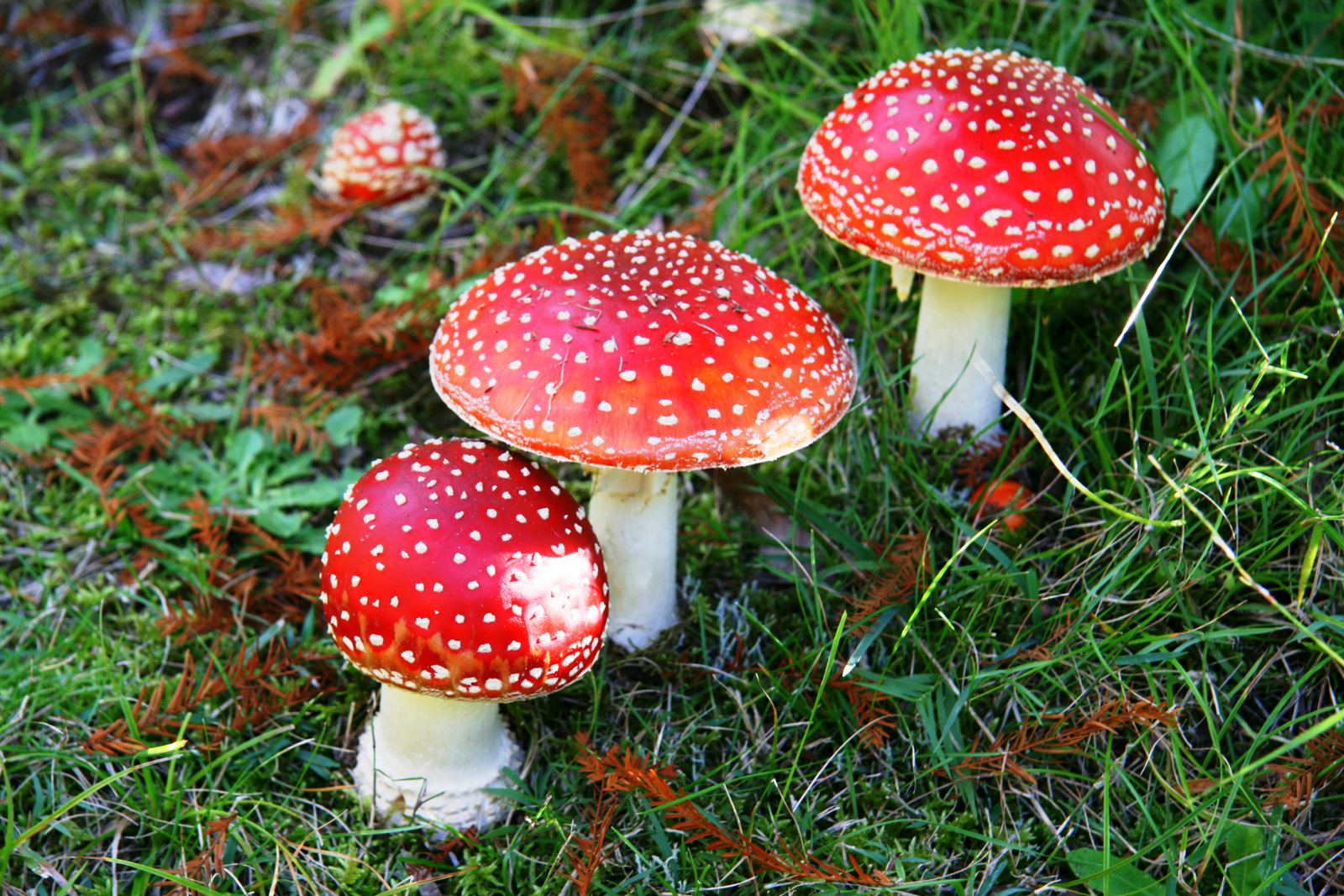
in the forest, red caps with white specks are visible from afar – it is well known that these are fly agaric mushrooms. Mushroom pickers try to avoid them in a roundabout way, because they are related to dangerous poisonous mushrooms. However, some people find fly agarics an excellent folk remedy for various diseases. Who to believe? Are these folding red-headed beauties harmful or beneficial?
We will learn absolutely everything about fly agaric: what it is, what benefits and harms it contains, when it should not be used and how to use it correctly. Dried- buy red fly agaric can be used to treat almost everything from head to toe, it is very good at eliminating nicotine addiction and alcoholism.
Fly agaric: structural features and description
Amanita muscaria, or red fly agaric, is related to psychoactive poisonous mushrooms. In simple terms, he is often called “old man” or “toadstool.”
Fly agaric hat
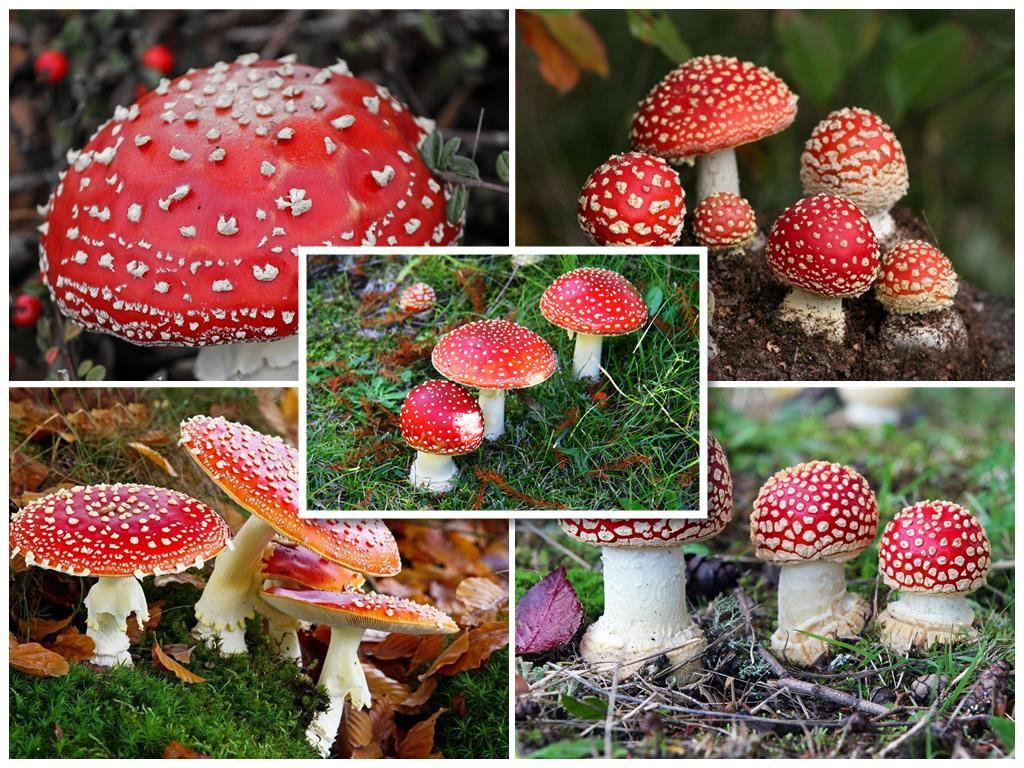
In young mushrooms it has the shape of a hemisphere, in older ones it is concave and flat. The area of the cap can reach 20 cm. Its color varies from red to deep red. The skin is covered with small white formations.
The hymenophore (as experts call the lower part of the cap) is white and lamellar. In old mushrooms it has a yellowish tint. The spores are elongated and smooth.
The flesh under the skin of the mushroom is pale orange and can change color when reacting with the atmosphere.
Fly agaric leg
It has a cylindrical shape, thickens closer to the base, and color varies from pale yellow to white. Depending on the age, the leg of the fly agaric can be 5-20 cm in height and 1-2 cm in width. In ripe mushrooms it is hollow inside. This part of the fly agaric contains a membranous ring at the top.
chronicle
the fly agaric was first mentioned in 1256 in the scientific work of A. Magnus, who called it “fly mushroom”. This designation comes from the fly agaric’s ability to get rid of flies. It was believed that the insects died due to the destructive odor emanating from the pulp of the fruiting body. However, this is not the case at all. Water with a high content of alkaloids collects in the mushroom cap, the flies drink it, fall into a sleepy state and drown in the liquid.
Habitat of fly agarics
You can meet red fly agarics in any forest – mixed, deciduous and coniferous. They love birch and spruce forests with high soil acidity. They are often found next to russula, boletus, boletus and other types of mushrooms.
The growth period is from the beginning of the summer season to mid-autumn. They grow in small groups or singly. In our country it is found almost everywhere.
Fly agarics are considered poisonous; they are collected mainly for medicinal purposes!
Organic composition of fly agarics
The cap of the red fly agaric, or more precisely its skin, contains hallucinogenic substances. In addition, the mushroom contains the following elements:
- muscaruphine is a pigment that gives the fly agaric its characteristic color;
- xanthine;
- puterescin;
- choline;
- poisonous alkaloids – muscimol, muscarine, muscaridine and ibotenic acid;
- trimethylamine;
- chitin;
- essential oils.
Muscimol is the main active element of fly agaric; it has sedative, psychoactive and hypnotic properties. When dried, the toxicity of mushrooms decreases, but the concentration of hallucinogens increases.
Medicinal properties of fly agarics
Red fly agaric
Preparations based on red fly agaric are used for various pathologies – from neoplasms to impotence. In what cases are they used:
- epilepsy;
- spinal cord pathologies;
- angina;
- menopause, painful menstruation;
- anxiety, stress;
- joint diseases – arthritis, arthrosis;
- insomnia;
- skin diseases – boils, papillomas;
- varicose veins;
- hypertension.
The drugs can be used orally and externally; the order of use depends on the concentration.
Treatment with fly agaric products is allowed in most countries, and even in our country. But in Australia and Israel it is prohibited.


